Contribution limits are monetary restrictions on the amount an individual or group can donate to a political actor – usually a candidate, political party, or political action committee. The Supreme Court first allowed limits on contributions in Buckley v. Valeo. The Court’s ruling acknowledged that contribution limits were a restriction on First Amendment activity, but allowed them on the theory…
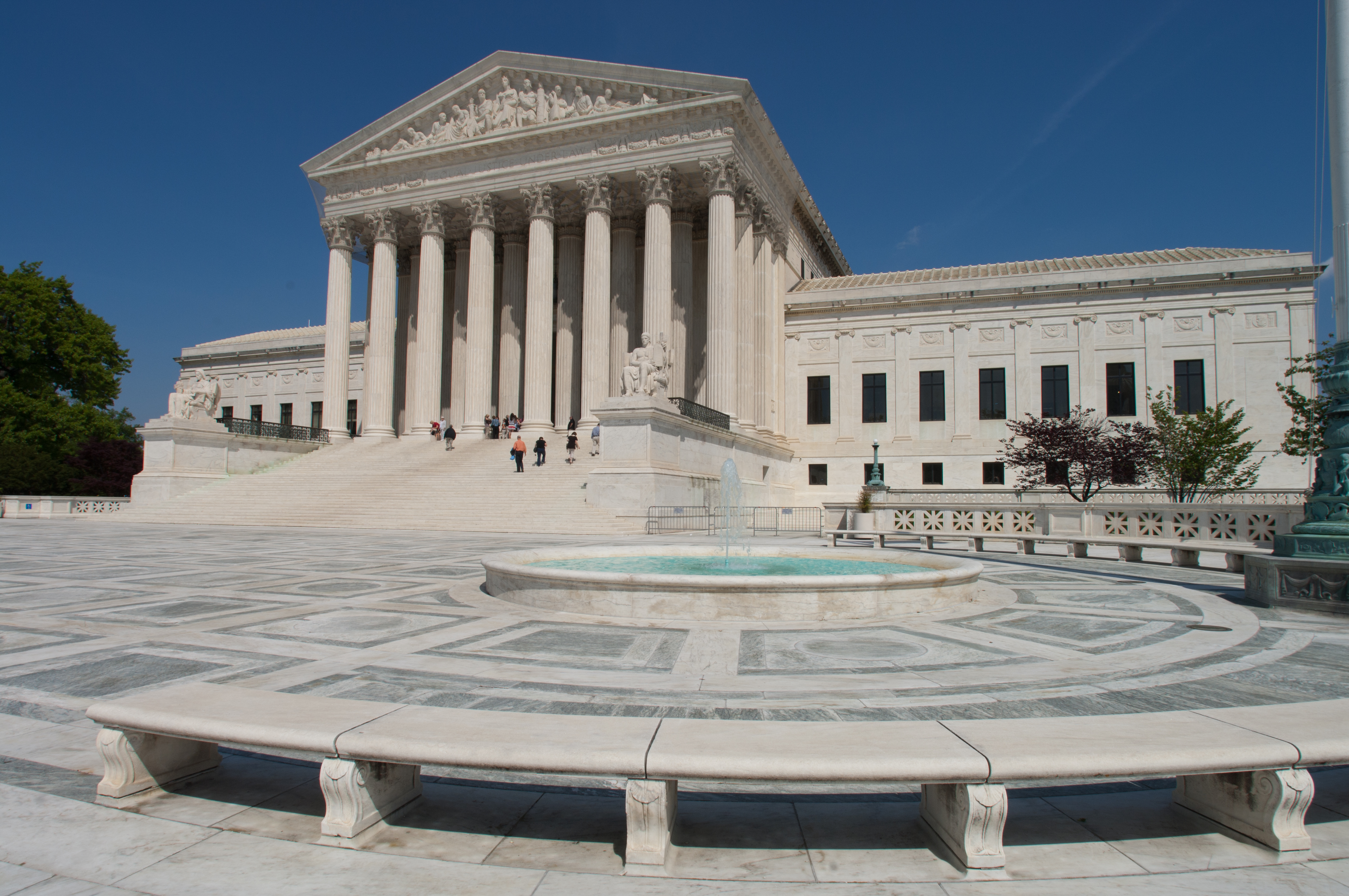
Today’s Supreme Court oral argument in NRSC v. FEC ably illustrated that limits on coordinated political party expenditures violate the First Amendment
National Republican Senatorial Committee, et al. v. Federal Election Commission, et al. argued before the Supreme Court of the United States on December 9, 2025.
Because political spending is considered a form of political speech, the complaint argues that Georgia’s current system gives one candidate more speech rights than ...
The SEC’s ‘pay to play’ rule is an unconstitutional infringement on the right to participate in politics.
Moving Oxnard Forward, Inc. v. Lourdes Lopez, argued en banc before the U.S. Court of Appeals for the Ninth Circuit on September 9, 2025.
A new amicus brief in National Republican Senatorial Committee v. FEC calls on the Supreme Court to reexamine government interference with campaign speech
The government has the power to administer elections, not to control speech about them.
Judge Wolf grants permanent injunction, ruling that the law's contribution limit and disclosure provision for independent expenditure groups violate First Amendment rights
The City of Oxnard in California crafted a campaign finance law to silence its most vocal critic, blatantly violating the First Amendment’s protection against ...
Amicus brief details the First Amendment violations of Oxnard’s contribution limits